
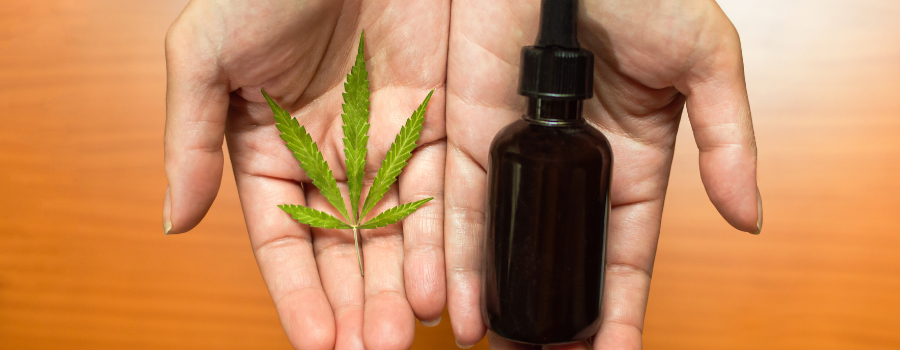
Cannabidiol (CBD) is a naturally occurring compound found in cannabis plants. It has gained widespread attention for its potential wellness benefits and its ability to support the body without causing intoxication. Unlike THC, another well-known cannabis compound, CBD does not produce the psychoactive “high” commonly associated with marijuana.
Cannabis has been used by different cultures for centuries for its therapeutic properties. Today, CBD is one of the most widely studied cannabis-derived compounds, largely because it offers potential benefits without altering mental clarity.
The Role of CBD and THC in Medicine
Historically, cannabis has been used to support sleep, ease discomfort, reduce nausea, and help calm anxiety. Scientific research into cannabinoids—the active compounds in cannabis—began gaining traction in the mid-20th century. Since then, researchers have identified more than 80 cannabinoids, with CBD (cannabidiol) and THC (tetrahydrocannabinol) receiving the most attention.
These two compounds interact with the body in different ways, which is why they are often studied separately as well as together.
CBD vs. THC: What’s the Difference?
The primary difference between CBD and THC lies in their effects on the brain. THC is psychoactive, meaning it can produce feelings of euphoria or impairment. CBD is non-psychoactive, making it appealing to people who want potential benefits without feeling “high.”
CBD is often associated with calming effects and may help support relaxation, mood balance, and mental clarity. In some formulations, CBD is used alongside THC to help moderate THC’s psychoactive effects, creating a more balanced experience.
CBD Extraction and Available Forms
CBD can be extracted directly from the cannabis plant or produced through laboratory synthesis. Once extracted, it can be formulated into many different forms, including oils, tinctures, capsules, sprays, and topical products.
This variety allows CBD to be used in ways that suit individual preferences and wellness goals, whether someone is looking for daily support or targeted application.
CBD and the Endocannabinoid System
CBD works by interacting with the endocannabinoid system (ECS)—a complex network of receptors and signaling molecules found throughout the body. The ECS plays a key role in maintaining balance, also known as homeostasis.
Through this interaction, CBD may help support functions such as sleep regulation, mood stability, inflammatory response, and discomfort management. This broad influence is what gives CBD its wide-ranging potential.
Understanding the Endocannabinoid System
The endocannabinoid system is responsible for producing cannabinoids naturally within the body and regulating essential functions like appetite, mood, cognition, and immune response. When this system is balanced, the body functions more efficiently.
CBD does not replace the body’s cannabinoids but instead supports the ECS by influencing how receptors respond. This makes CBD a unique compound with the potential to support multiple systems at once.
Potential Therapeutic Benefits of CBD
Ongoing research suggests that CBD may offer a variety of potential benefits. Studies are exploring its role in supporting brain health, reducing inflammation, and acting as an antioxidant. CBD has also been studied for its potential use in managing discomfort, supporting neurological health, and promoting emotional balance.
While research is still evolving, CBD’s versatility and non-intoxicating nature continue to make it an area of strong interest in wellness and medical communities.
Conclusion
CBD has emerged as a promising natural compound with a wide range of potential applications. Its ability to support the body without psychoactive effects has set it apart from other cannabis-derived compounds. As research continues, CBD may help open new pathways for understanding how natural substances can support overall health and wellness.
This growing body of knowledge highlights the evolving relationship between plant-based compounds and modern health solutions—pointing toward an exciting future for CBD research and application.

