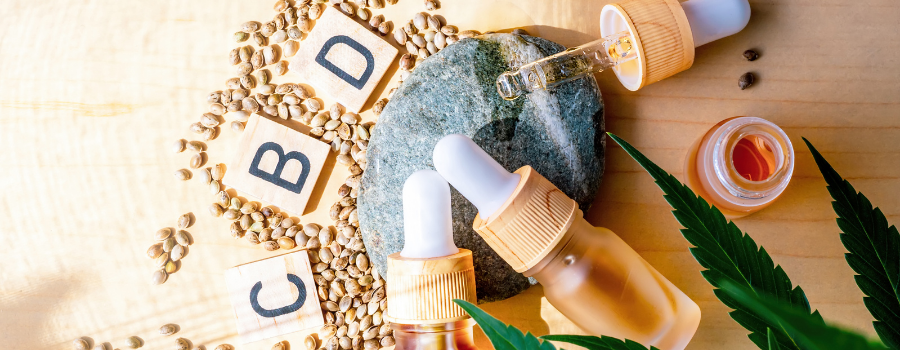
Cannabidiol (CBD) has become a popular natural option for people looking to support everyday wellness, including relaxation, recovery, sleep, and balance. Derived from hemp, CBD is widely used because it does not produce the psychoactive effects associated with THC. As interest in CBD continues to grow, so does the number of products on the market—making it harder for consumers to know what’s worth buying and what’s not.
The CBD industry is still evolving, and regulations can vary by region. That means product quality, safety, and labeling are not always consistent. As a result, consumers must take a more active role in understanding what defines a high-quality CBD product and how to identify one with confidence.
This guide breaks down what matters most when choosing CBD—quality indicators, product types, pricing, and smart shopping tips—so you can make informed decisions that fit your needs.
Why CBD Quality Matters
Quality matters because it directly affects safety, consistency, and results. A well-made CBD product delivers reliable cannabinoid content and avoids harmful contaminants such as pesticides, solvents, or heavy metals. Low-quality products may fall short on effectiveness or raise safety concerns.
Understanding a few key factors can help you quickly separate quality CBD from the rest.
Key Indicators of High-Quality CBD
Third-Party Lab Testing and Certificates of Analysis (COAs)
A reputable CBD product should always come with a Certificate of Analysis (COA) from an independent laboratory. This report confirms:
-
CBD potency and cannabinoid profile
-
THC content (if any)
-
Screening for contaminants like pesticides, heavy metals, and solvents
Always check that the COA matches the product label and is easy to access.
Hemp Source
Hemp quality plays a major role in the final product. Because hemp absorbs compounds from the soil, it’s important to choose products made from organically grown hemp. Hemp sourced from regions with strict agricultural standards—such as the United States or European Union—is generally more reliable.
Extraction Method
The extraction process determines purity and consistency.
-
CO₂ extraction is widely considered the gold standard because it produces clean, potent CBD without harmful residues.
-
Ethanol or olive oil extraction can also produce quality CBD, but results depend on execution and quality controls.
Brand Transparency and Reputation
Trustworthy brands are open about:
-
Where their hemp comes from
-
How products are made
-
Lab testing and quality standards
Customer reviews and brand history can offer valuable insight. Avoid companies with unclear labeling or past quality concerns.
CBD Types: Full Spectrum, Broad Spectrum, and Isolate
CBD quality isn’t defined by type, but choosing the right form matters:
-
Full Spectrum: Contains multiple cannabinoids and trace THC, supporting the “entourage effect.”
-
Broad Spectrum: Includes multiple cannabinoids but no THC.
-
CBD Isolate: Pure CBD with all other hemp compounds removed.
Your choice depends on personal preference and sensitivity.
Price as a Quality Signal
Price alone doesn’t guarantee quality, but extremely low prices can be a red flag. High-quality CBD requires investment in:
-
Clean farming practices
-
Advanced extraction
-
Third-party testing
If a product seems too cheap, it may be cutting corners.
Common Forms of CBD Products
CBD is available in many forms, each suited to different lifestyles and goals.
-
Tinctures & Oils – Taken under the tongue for faster absorption and flexible dosing
-
Edibles (Gummies, Chocolates) – Convenient and discreet, with longer-lasting effects
-
Topicals – Applied directly to the skin for targeted support
-
Capsules & Softgels – Pre-measured doses for consistency and convenience
The best option depends on how quickly you want effects and how you prefer to use CBD.
Understanding CBD Pricing
CBD pricing varies based on quality, concentration, formulation, and brand standards.
Factors That Affect Price
-
Hemp quality and origin
-
Extraction method
-
CBD strength and added ingredients
-
Manufacturing standards
-
Brand reputation
Typical Price Ranges
-
CBD Oils/Tinctures: $30–$150+ per 30 ml
-
CBD Edibles: $20–$60 per package
-
CBD Topicals: $25–$100+
-
CBD Capsules: $30–$100+
Smart Shopping Tips
-
Start with a smaller size when trying a new product
-
Look for brands that offer transparency and lab access
-
Take advantage of discounts from reputable sellers
-
Read real customer reviews, not just marketing claims
Cheapest doesn’t mean best—especially when it comes to wellness.
Final Thoughts
Navigating the CBD market doesn’t have to be confusing. When you understand what to look for—clean sourcing, proper extraction, third-party testing, and honest branding—you can make confident, informed choices.
Quality CBD is an investment in your well-being. Take the time to evaluate products carefully, stay informed as the industry evolves, and listen to your body as you explore what works best for you.
With the right knowledge and a thoughtful approach, you can enjoy the benefits of CBD safely and responsibly.