Cannabidiol, commonly known as CBD, has become increasingly popular in the sports and wellness world. Derived from hemp, CBD is widely discussed for its potential to support recovery, manage inflammation, reduce stress, and improve sleep. Unlike THC, CBD is non-intoxicating and does not produce a “high,” making it an appealing option for athletes seeking natural wellness support without psychoactive effects.
As training demands increase and recovery becomes more critical, many athletes are looking beyond traditional pain relievers, which can carry unwanted side effects when used long term. CBD has emerged as a natural alternative that fits into a modern, holistic approach to athletic performance and recovery.
CBD in Sports: A Changing Landscape
Attitudes toward CBD in sports have shifted significantly in recent years. A major turning point came in 2018 when the World Anti-Doping Agency (WADA) removed CBD from its list of prohibited substances. This decision allowed athletes to use CBD during competition, including at elite levels, provided products remain compliant and free of banned substances such as THC.
Professional sports organizations have also evolved in their stance. The NFL has eased penalties related to cannabis and funded research into pain management alternatives. The UFC openly supports CBD use and has partnered with companies to study its effects on athlete recovery. Both the NBA and MLB have updated their policies to be more lenient, reflecting broader acceptance of CBD as a wellness tool.
Despite this progress, athletes must remain cautious. THC is still prohibited in most professional and Olympic sports, making product selection and third-party testing essential.
The Growing Use of CBD Among Athletes
CBD use continues to grow among athletes at all levels. Studies and surveys suggest that a significant percentage of professional athletes in the U.S. use CBD to support recovery, manage discomfort, and reduce stress associated with training and competition.
Amateur athletes often have greater flexibility, as they are typically not subject to strict anti-doping regulations. Many report using CBD to support sleep quality, muscle recovery, and general wellness. Professional athletes face tighter restrictions but increasingly share positive experiences when using THC-free, lab-tested CBD products.
Across endurance sports, contact sports, and strength-based disciplines, athletes are incorporating CBD into their routines as part of a shift toward more natural recovery methods.
CBD and Exercise Recovery
One of the main reasons athletes turn to CBD is recovery. CBD interacts with the body’s endocannabinoid system, which plays a role in regulating pain perception, inflammation, mood, and sleep. This interaction suggests CBD may help support the body’s natural recovery processes.
Research indicates CBD may help:
-
Support inflammation balance after intense exercise
-
Reduce post-workout discomfort
-
Promote better sleep quality, which is essential for muscle repair
While more large-scale human studies are still needed, early research and real-world use have made CBD an area of growing interest in sports medicine and recovery science.
Pre-Workout Preparation and Mental Focus
Beyond recovery, some athletes use CBD as part of their pre-training or pre-competition routine. Managing stress, improving focus, and maintaining mental clarity are just as important as physical readiness.
CBD may help athletes:
-
Reduce pre-competition anxiety
-
Stay calm and focused under pressure
-
Support sleep quality during intense training cycles
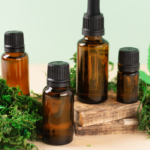
Athletes may choose different formats depending on their goals. Oils and capsules allow for precise dosing, while topical CBD products are often used for targeted muscle or joint support.
Using CBD Sports Supplements Responsibly
For athletes considering CBD, quality and compliance are critical. Here are key guidelines to follow:
Choosing Quality CBD Products
-
Look for third-party lab testing (Certificates of Analysis)
-
Choose products made from organically grown hemp
-
Prefer clean extraction methods such as CO₂ extraction
-
Verify clear labeling of CBD content and THC levels
Legal and Compliance Considerations
-
Ensure THC content meets legal and sport-specific limits
-
Stay informed about your sport’s governing body rules
-
Be cautious when traveling internationally, as CBD laws vary
Practical Tips for Athletes
-
Start with a low dose and adjust gradually
-
Track how CBD affects recovery, sleep, and performance
-
Consult a healthcare or sports medicine professional familiar with CBD
-
Stay updated on evolving research and regulations
Conclusion
CBD is becoming an increasingly common part of athletic wellness and recovery strategies. From easing post-exercise discomfort to supporting sleep and stress management, CBD offers athletes a natural option that aligns with a holistic approach to performance.
As research continues to expand and sports organizations adapt, CBD’s role in athletics is likely to grow. Athletes who choose to explore CBD should prioritize quality, compliance, and professional guidance to ensure safe and effective use.
Staying informed, cautious, and intentional allows athletes to make the most of CBD as part of a balanced training and recovery routine.